
Beyond the Hype: What We Learned from AI Implementation in K-12 Education
In the rapidly evolving landscape of education, Artificial Intelligence (AI) has emerged as a transformative force, promising to revolutionize learning experiences, personalize instruction, and streamline administrative tasks. However, the journey from theoretical potential to practical, impactful implementation in K-12 education is often fraught with challenges and unexpected outcomes. At EDUKPAi LTD, we’ve been at the forefront of integrating AI into primary and secondary education, and our experiences have taught us invaluable lessons that extend far beyond the initial hype.
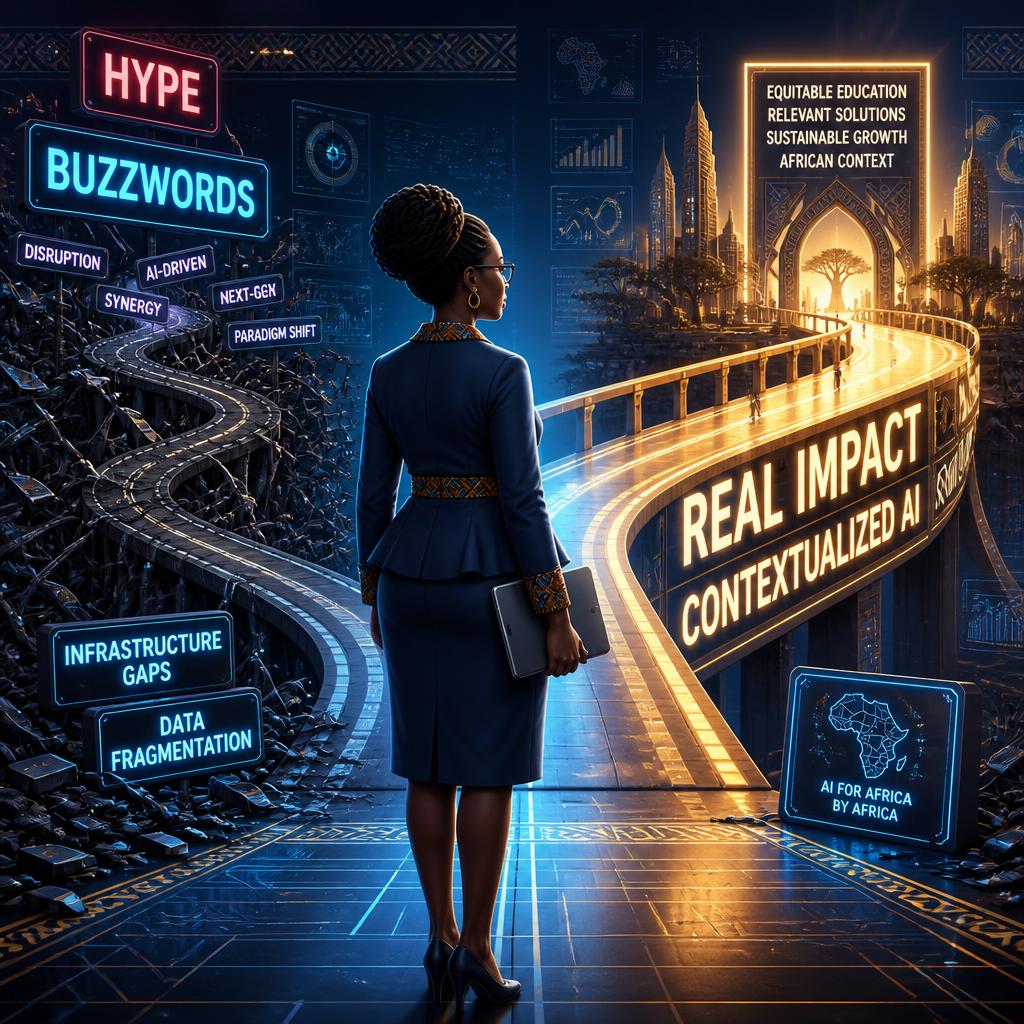
The Allure and the Reality: Bridging the Expectation Gap
The initial enthusiasm surrounding AI in education often paints a picture of seamless integration and immediate, dramatic improvements. While AI certainly holds immense promise, the reality on the ground in K-12 settings can be quite different. We’ve observed a significant gap between the theoretical capabilities of AI and its practical application, particularly in a diverse educational environment.
Common Misconceptions and Challenges:
• Overemphasis on Automation: The belief that AI can fully automate complex teaching roles, overlooking the irreplaceable human element of empathy, mentorship, and nuanced pedagogical judgment.
• Data Quality and Accessibility: AI systems thrive on data, but K-12 institutions often struggle with fragmented, inconsistent, or inaccessible data, hindering the effectiveness of AI-driven insights.
• Teacher Preparedness and Training: Many educators lack the necessary training and support to effectively utilize AI tools, leading to underadoption or misuse.
• Ethical Concerns and Bias: The deployment of AI without careful consideration of ethical implications, data privacy, and potential algorithmic biases can exacerbate existing inequalities.
• Infrastructure Limitations: Underserved communities, where EDUKPAi often operates, frequently face challenges with reliable internet access and adequate technological infrastructure, making online-only AI solutions impractical.
EDUKPAi’s Approach: Navigating Complexities for Real Impact
Our journey at EDUKPAi has been defined by a commitment to addressing these complexities head-on. We’ve learned that successful AI implementation in K-12 education requires a nuanced, human-centric, and context-aware approach. Here’s how we navigate these challenges to achieve tangible results:
- Prioritizing Human-AI Collaboration, Not Replacement
Instead of aiming to replace teachers, EDUKPAi focuses on empowering them. Our EduLinker App, for instance, connects students with qualified teachers, while AI assists in matching and personalizing learning paths. This ensures that AI acts as a powerful assistant, augmenting teachers’ capabilities and freeing them to focus on critical thinking, emotional support, and individualized attention. - Building Robust and Equitable Data Infrastructure
Recognizing the challenges of data quality, we’ve invested in building intelligent data systems that are robust and adaptable. Our focus extends to providing actionable insights and predictive analytics to parents, NGOs, and governments, transforming raw data into meaningful strategies for educational improvement. We also emphasize offline-first solutions to ensure data collection and learning can continue even in areas with limited connectivity. - Comprehensive Teacher Training and Support
We understand that technology is only as effective as the people using it. EDUKPAi provides extensive teacher training programs and professional development, ensuring educators are equipped with the skills and confidence to leverage AI tools effectively. This includes ICT training and consultancy, fostering a culture of continuous learning and adaptation. - Ethical AI and Data Privacy at the Core
From the outset, EDUKPAi integrates ethical considerations into our AI development and deployment. We prioritize data privacy and work to mitigate algorithmic biases, ensuring that our solutions promote fairness and equity for all students. Our goal is to create a safe and trustworthy environment where AI enhances learning without compromising student well-being. - Contextualized Solutions for Underserved Communities
Our commitment to equitable learning means developing solutions that are specifically tailored to the needs of diverse communities. By focusing on offline-first capabilities and scalable infrastructure, we ensure that students in underserved areas can access high-quality education, bridging the
justice gap that often exists in educational access.
Lessons Learned and the Path Forward
Our journey with AI in K-12 education has reinforced several critical lessons:
• AI is a Tool, Not a Panacea: AI is a powerful enabler, but it’s not a magic bullet. Its effectiveness is directly tied to thoughtful integration, robust infrastructure, and human expertise.
• The Human Element is Irreplaceable: Technology should augment human capabilities, not diminish them. The empathy, creativity, and critical thinking of teachers remain paramount.
• Context Matters: One-size-fits-all AI solutions rarely succeed in diverse educational environments. Customization and a deep understanding of local needs are crucial.
• Ethics and Equity are Non-Negotiable: Building trust in AI requires a steadfast commitment to ethical principles, data privacy, and ensuring equitable access and outcomes for all learners.
At EDUKPAi LTD, we are committed to continuing our work in transforming education through smart technology. We believe that by learning from our experiences, embracing a human-centric approach, and prioritizing equity, we can harness the true potential of AI to create a brighter future for K-12 education, moving beyond the hype to deliver real, measurable impact